
New Venues
From New House to Home
0–3 Years
Opening Day reveals what drawings can’t.
Even the best-planned ballparks reveal new opportunities once they are occupied by fans. In the early years, a new venue begins the transition from a new house into a home—and the way guests circulate, gather, eat, shop, and experience the game rarely unfolds exactly as anticipated during design.
A gathering space may emerge as a fan favorite. A retail location may need to accommodate a different merchandise strategy. A concession or hospitality area may present an opportunity to better serve changing expectations.
Over the past 20 years, we've learned that the transition from a new house to a home happens through observation, listening, and purposeful refinement. The first few seasons provide an invaluable opportunity to understand guest behavior, identify operational adjustments, and uncover opportunities to strengthen the fan experience and unlock additional value from the facility.
The Day-Two Opportunity
Day-Two improvements are part of the natural evolution of a successful venue. They respond to what the organization learns about its brand-new ballpark once it's operating.
The most successful new venues are treated as living environments. Teams learn which spaces naturally attract guests, where operational friction occurs, which amenities resonate, and where emerging fan expectations create opportunities that weren't apparent during the design process.
Those observations can lead to relatively modest interventions—a new gathering space, a reconfigured retail environment, an operational adjustment—or more significant improvements that reshape how portions of the venue are experienced.
The opportunity is to listen to the building, learn from its users, and make targeted investments that help the venue realize more of its original potential.
Where You Might Find the Greatest Impact
Fan Behavior
Opening Day provides the first real opportunity to see how guests actually experience the building. Where do they naturally gather? Which circulation paths work well? Where do bottlenecks occur? Which spaces become unexpectedly popular?
Understanding these patterns can reveal opportunities to improve the guest experience without fundamentally changing the venue.
Space Performance
The first seasons also provide a clearer picture of how individual spaces perform. Some may be highly successful, while others may not attract the traffic, revenue, or engagement originally anticipated.
Look for opportunities to adjust, repurpose, or enhance spaces based on actual performance rather than assumptions made before the building opened.
Day-Two Opportunities
New venues often present opportunities for targeted improvements that weren't practical—or even apparent—during initial design.
Social gathering areas, retail environments, premium amenities, food and beverage concepts, and other guest experiences can evolve as the organization learns what resonates with its audience.
Operational Refinement
A venue that looks intuitive on paper can reveal operational challenges once thousands of guests and staff are using it simultaneously.
Look for adjustments that improve circulation, staff workflows, service efficiency, maintenance, and the overall ease of operation.
These Lessons In Action
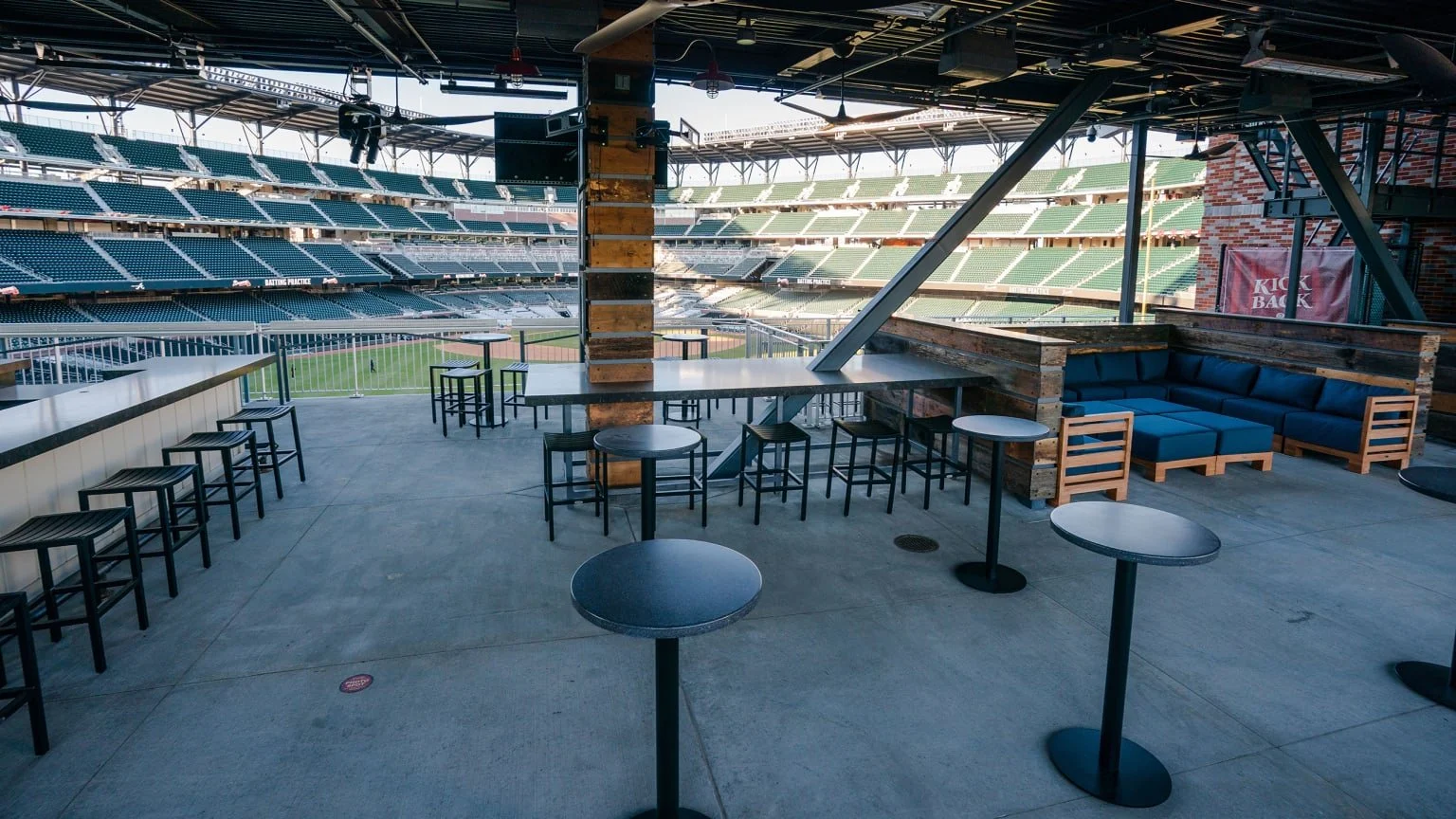
The Back Porch | Truist Park
Creating a new social destination within an existing venue.
The Back Porch created a new gathering experience within Truist Park, responding to the opportunity for fans to socialize while maintaining a strong connection to the game. The project demonstrates how a targeted addition can introduce a new way to experience a relatively new venue while building upon its original design.
Lesson: Early operating experience can reveal opportunities for new social experiences that weren't fully understood during initial design.
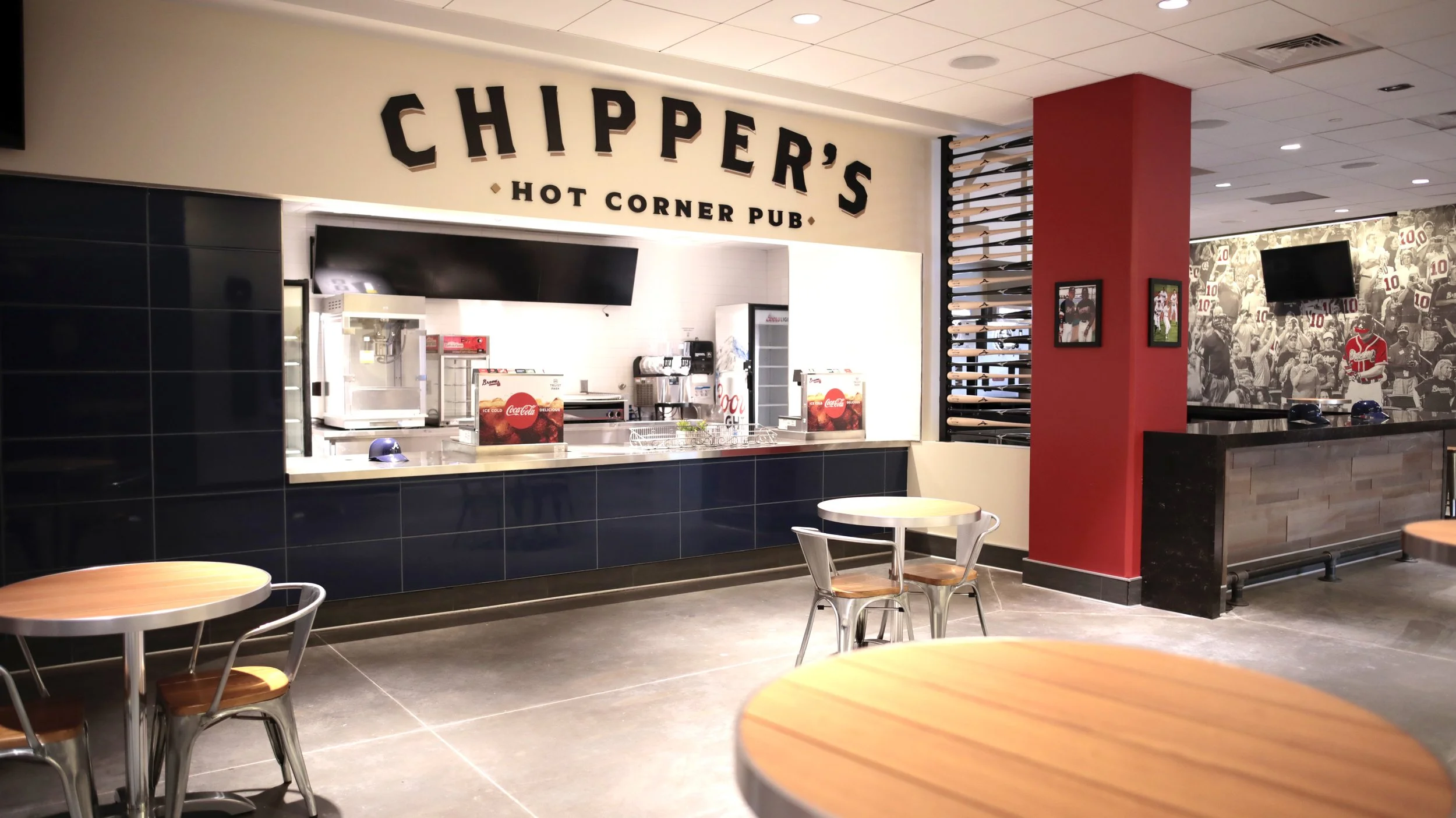
Chipper's Hot Corner Pub | Truist Park
Adding a destination that gives fans another way to experience the game.
Chipper's Hot Corner Pub introduced a distinctive hospitality destination within Truist Park, creating a more immersive experience around one of the game's most recognizable personalities. The project demonstrates how new food-and-beverage and hospitality concepts can evolve within a new venue as fan expectations and preferences take shape.
Lesson: New venues can build on their original vision by introducing experiences that respond to how fans want to gather, eat, drink, and socialize.
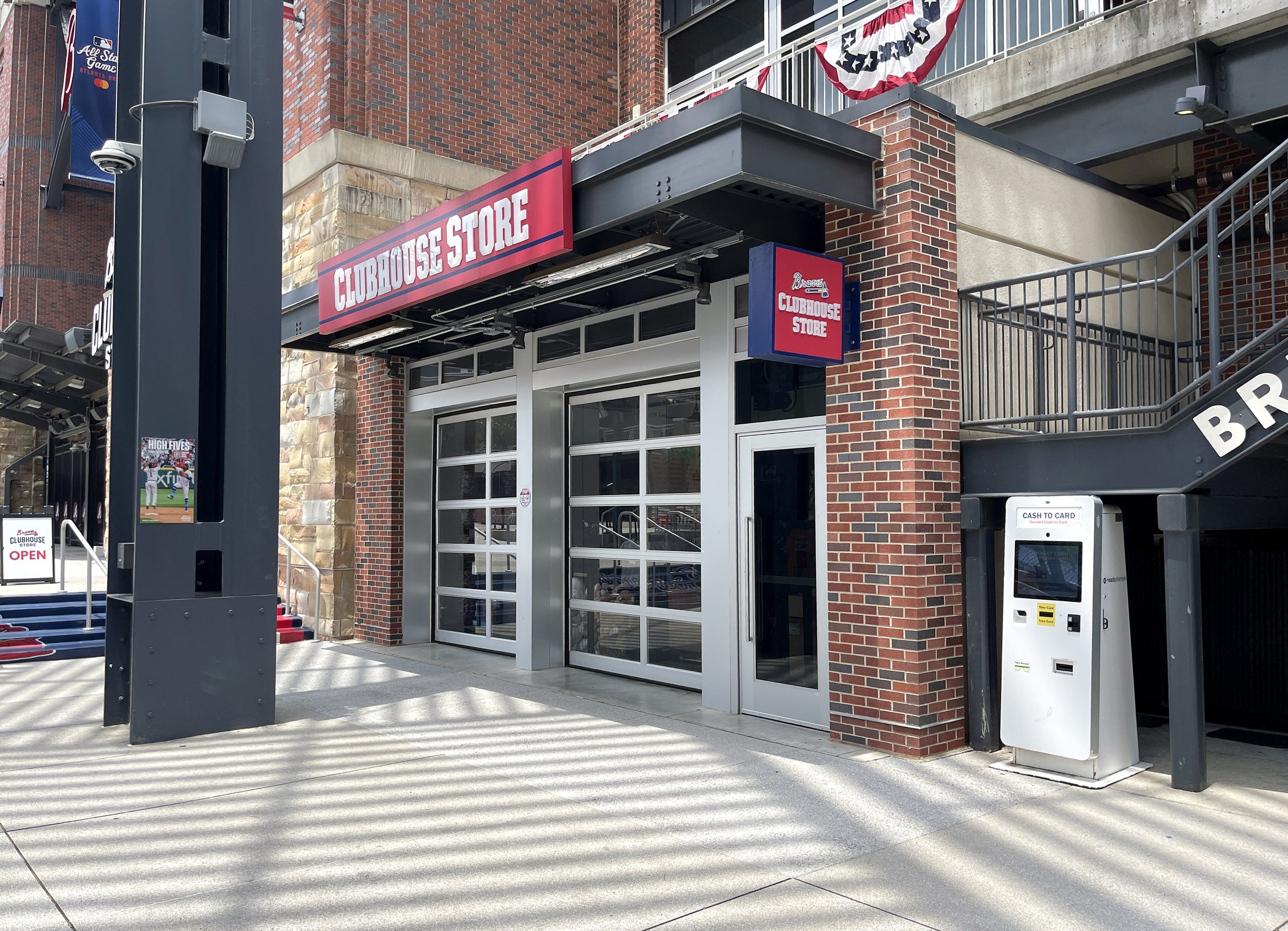
Clubhouse Plaza Team Store Expansion | Truist Park
Expanding retail capacity without expanding the store.
The Braves wanted a more visible, plaza-facing retail presence that could operate without requiring full staffing of the larger Clubhouse Team Store. Larimer Design developed an outward-facing addition that functions independently while also connecting to the main store. Roll-up doors and portable displays allow the kiosk to expand into the plaza, effectively doubling its retail display area when fully deployed.
Lesson: Targeted retail improvements can create greater capacity and operational flexibility without requiring a major expansion of the primary store.