
legacy venues
Building Upon What Already Works
20+ Years
Extending the Life of Your Legacy Ballpark
Legacy ballparks have something new facilities can't replicate: decades of history, deep community connection, and a foundation with real value.
Renovating an aging ballpark can often be more cost-effective than building new—and it preserves the character, history, and value already present. The opportunity is to understand what to improve, what to protect, and where strategic investment can make the greatest difference for the next generation of fans.
Over the past 20 years, we've learned that the most successful legacy venue strategies don't try to make an old ballpark new. They build upon what already makes it valuable while introducing the experiences, amenities, and operational improvements today's fans expect.
The Opportunity to Extend
A legacy venue rarely needs to be reinvented all at once. Its greatest asset may be the very thing that makes modernization challenging: an identity it already has.
The architecture, history, traditions, and community connection are difficult to replicate—and worth protecting. At the same time, decades of use can reveal outdated circulation, underutilized spaces, aging infrastructure, or guest experiences that no longer reflect current expectations.
The opportunity is to build on what already works while strategically addressing what no longer does.
That can mean transforming an overlooked area into a new destination, modernizing guest amenities, improving accessibility and circulation, refreshing branding and wayfinding, or developing a long-range plan that prioritizes investment over time.
The result doesn't have to feel like a new ballpark. It should feel like the best version of the ballpark people already know and love.
Where You Might Find the Greatest Impact
Strengths Worth Preserving
Every legacy venue has elements that give it character and meaning—from architecture and sightlines to traditions, gathering places, and connections to the surrounding community.
Identify what fans value most and make those characteristics part of the modernization strategy rather than treating them as obstacles to change.
Underutilized Assets
Decades of operation can leave spaces that no longer serve their original purpose—or never reached their full potential.
Look for opportunities to transform overlooked areas into new social, hospitality, retail, or year-round destinations.
Guest Experience
Modernization doesn't require erasing a venue's character.
Look for targeted improvements to seating, hospitality, amenities, accessibility, circulation, environmental graphics, team branding, and wayfinding that align the guest experience with today's expectations while respecting the facility's history.
Long-Range Strategy
Legacy venues often require more than individual projects. They need a clear understanding of how today's improvements fit into tomorrow's investment strategy.
Establish priorities, sequence improvements, and identify opportunities to extend the facility's useful life while maximizing the value of future capital investment.
These Lessons in Action

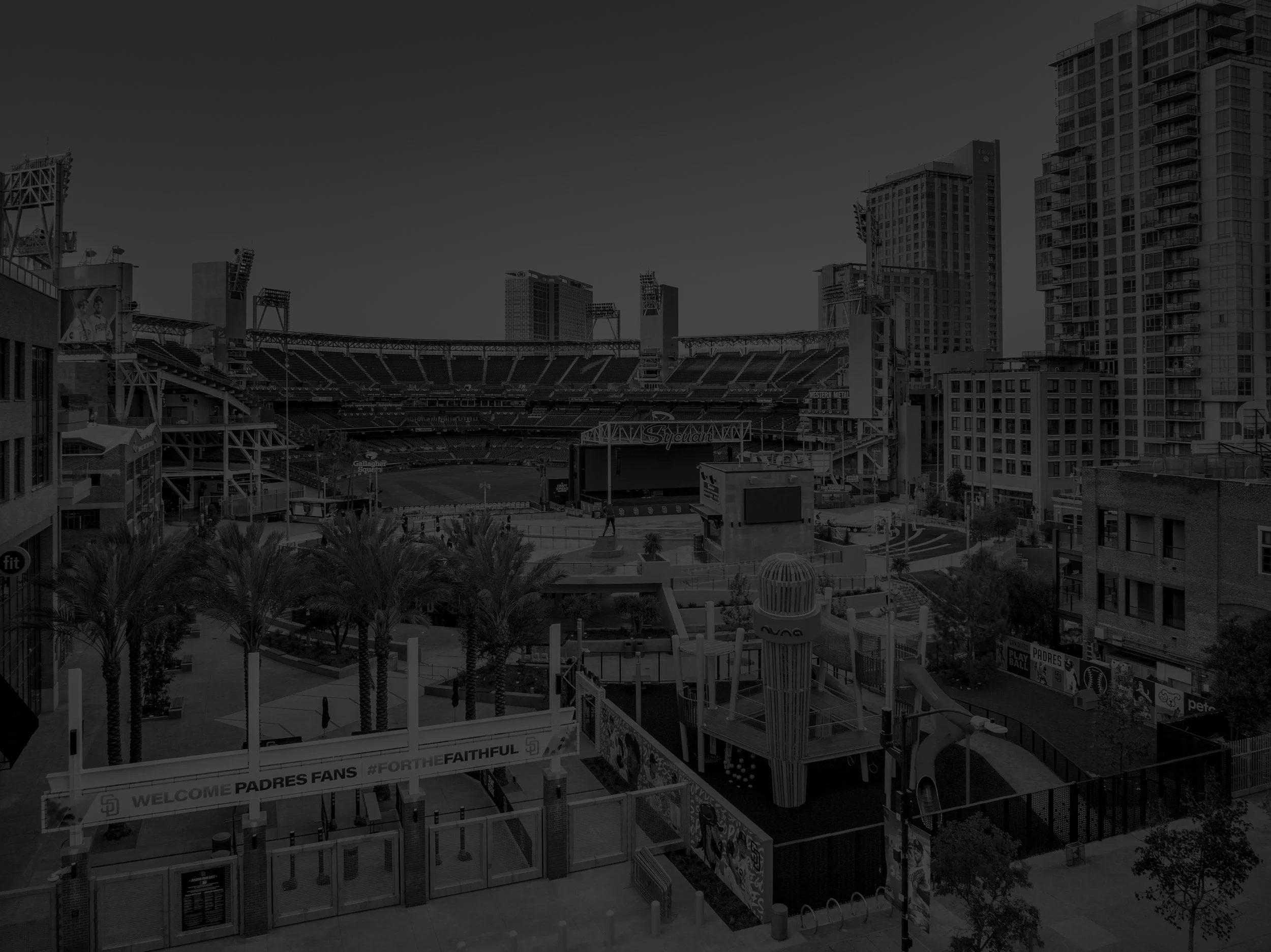
Gallagher Square | Petco Park
Transforming an underutilized area into a year-round destination.
The transformation of Gallagher Square reimagined an existing portion of Petco Park as a dynamic public gathering space, introducing new recreational, social, and event-oriented uses while strengthening its connection to the surrounding community.
Lesson: Legacy venues can create new value by rethinking what an existing asset can become.
Explore Gallagher Square →

Ballpark Expansion | Valley Strong Ballpark
Giving a 60-year-old ballpark a renewed generation of purpose.
The expansion added approximately 1,000 seats to an undersized ballpark while introducing a Hall of Fame Club, new concessions, a team store, restrooms, and a wrap-around home run lawn. Administrative offices and storage were integrated beneath the primary seating bowl, maximizing the value of the expanded footprint.
Lesson: Strategic expansion and modernization can give a legacy venue the capacity, amenities, and functionality needed to serve another generation without starting over.
Explore Valley Strong Ballpark Expansion →
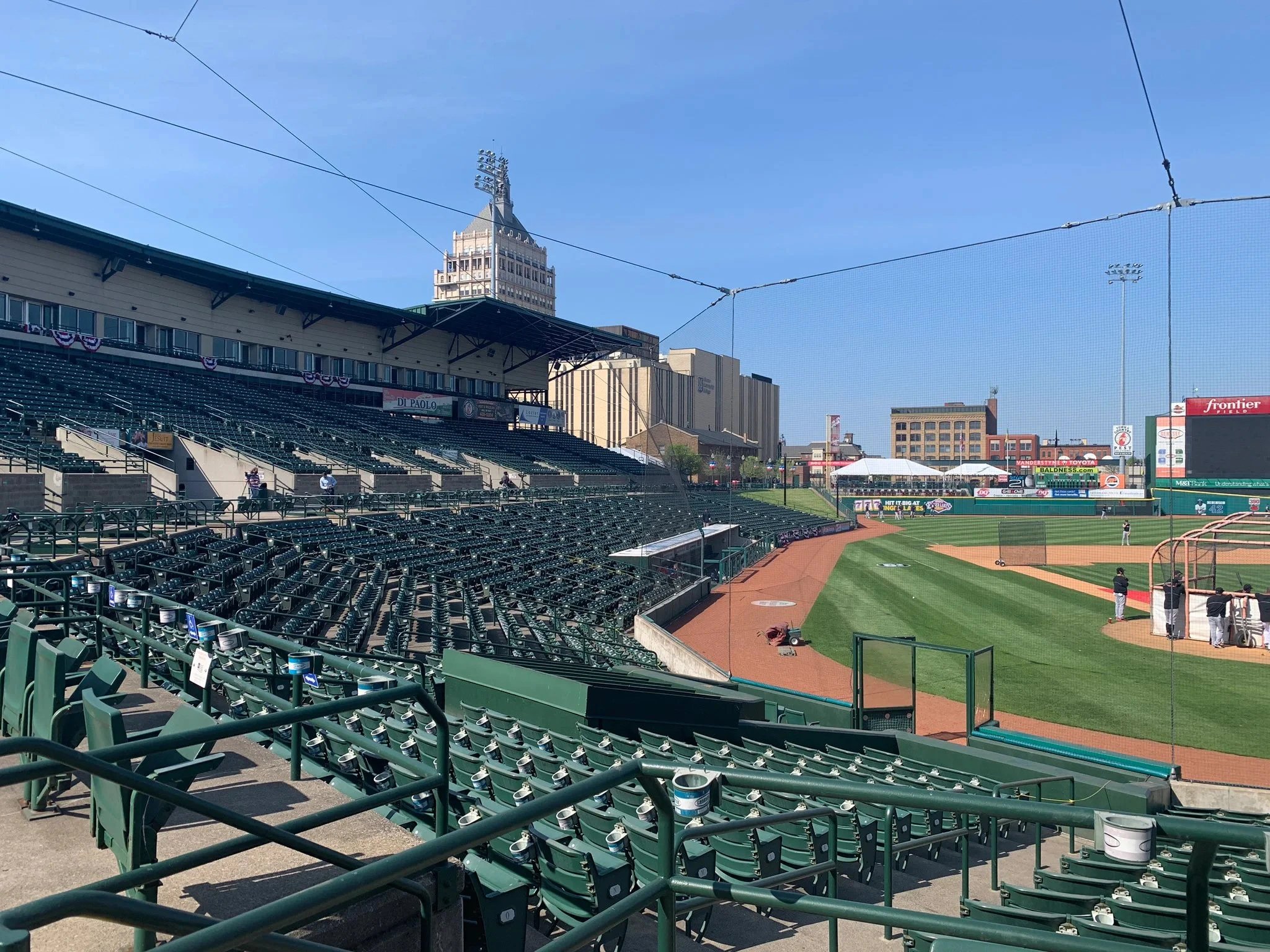
Ballpark Master Plan | ESL Ballpark
Positioning a 30-year-old ballpark for its next 30 years.
After three decades of operation, ESL Ballpark's existing conditions, guest expectations, and operational needs presented an opportunity to rethink how the venue could perform in its next chapter. The master plan evaluates seating, hospitality, retail, circulation, guest services, and other areas to identify opportunities to address current limitations and prioritize future investment.
Lesson: A thoughtful master plan can turn the accumulated knowledge of decades of operation into a clear roadmap for extending a venue's useful life and maximizing future capital investment.