LARIMER DESIGN | 20 YEARS OF SPORTS VENUE EXPERIENCE

The Ballpark Lifecycle

20 Years of Lessons Learned in Evolving Baseball's Most Important Asset

Every Ballpark Has a Next Chapter.

A ballpark is never truly finished.

From the moment a facility opens its doors, the way it is used, operated, and experienced begins to evolve. Fans discover new ways to gather. Revenue opportunities emerge. Operating models change. Technology advances. And spaces that once worked perfectly may eventually need reimagining.

Even the newest ballparks require thoughtful adjustments as the new house becomes a home. As facilities mature, the opportunities become more strategic—repositioning underperforming assets, introducing new experiences, modernizing aging infrastructure, and extending the useful life of facilities that have become part of their communities.

For more than 20 years, Larimer Design has helped MLB and MiLB organizations navigate this evolution. Our work has ranged from targeted Day 2 improvements at recently opened ballparks to transformational renovations and long-range master planning for established facilities.

Along the way, we've learned that successful ballpark improvement isn't about constantly making a venue newer. It's about making it better, more relevant, and more responsive to the people who use it.

Great venues don't have expiration dates. They have next chapters.

Explore the ballpark lifecycle below to see how the opportunities—and strategies—change as a venue evolves.


New venues

From New House to Home | 0-3 Years

Opening Day reveals what drawings can't. See how targeted Day 2 improvements help new venues evolve with their fans.
Learn More →

Evolving venues

Adapting to Changing Expectations | 3-10 Years

Fan expectations don't stand still. Discover how targeted improvements can keep recently built venues fresh, relevant, and performing.
Learn More →

Midlife venues

Repositioning for New Opportunities | 10-20 Years

When assets begin to underperform, strategic reinvestment can turn overlooked spaces into new fan experiences and revenue generators.
Learn More →

Established venues

Modernizing While Preserving What Works | 20+ Years

Great bones don't need to be replaced. Explore how thoughtful modernization can extend a venue's useful life while preserving its character.
Learn More →


01 | NEW venues

From New House to Home

0–3 Years

Opening Day is only the beginning.

Even the best-planned sports venues reveal opportunities once they are occupied by fans. The way guests circulate, gather, eat, shop, and experience the game rarely unfolds exactly as anticipated during design and construction.

The first few seasons provide an invaluable opportunity to observe how the venue is actually being used—and to make thoughtful adjustments based on real-world experience. A gathering space may emerge as a fan favorite. A retail location may need to accommodate a different merchandise strategy. A concession or hospitality area may present an opportunity to better serve changing expectations.

These Day 2 improvements don't represent a failure of the original design. They are part of the natural evolution of a successful venue.

The transition from a new house to a home happens through observation, listening, and purposeful refinement.


Project Highlights

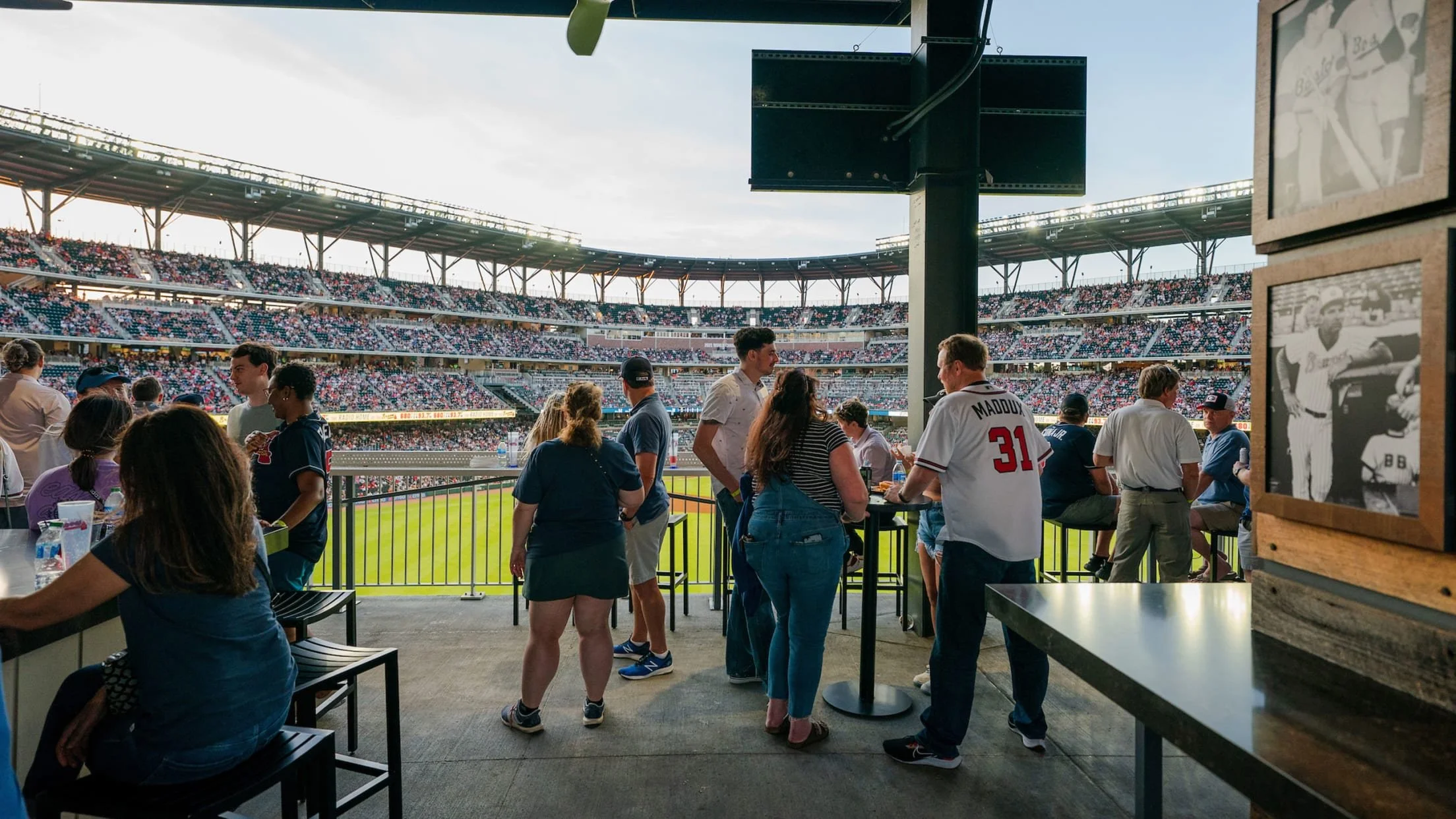
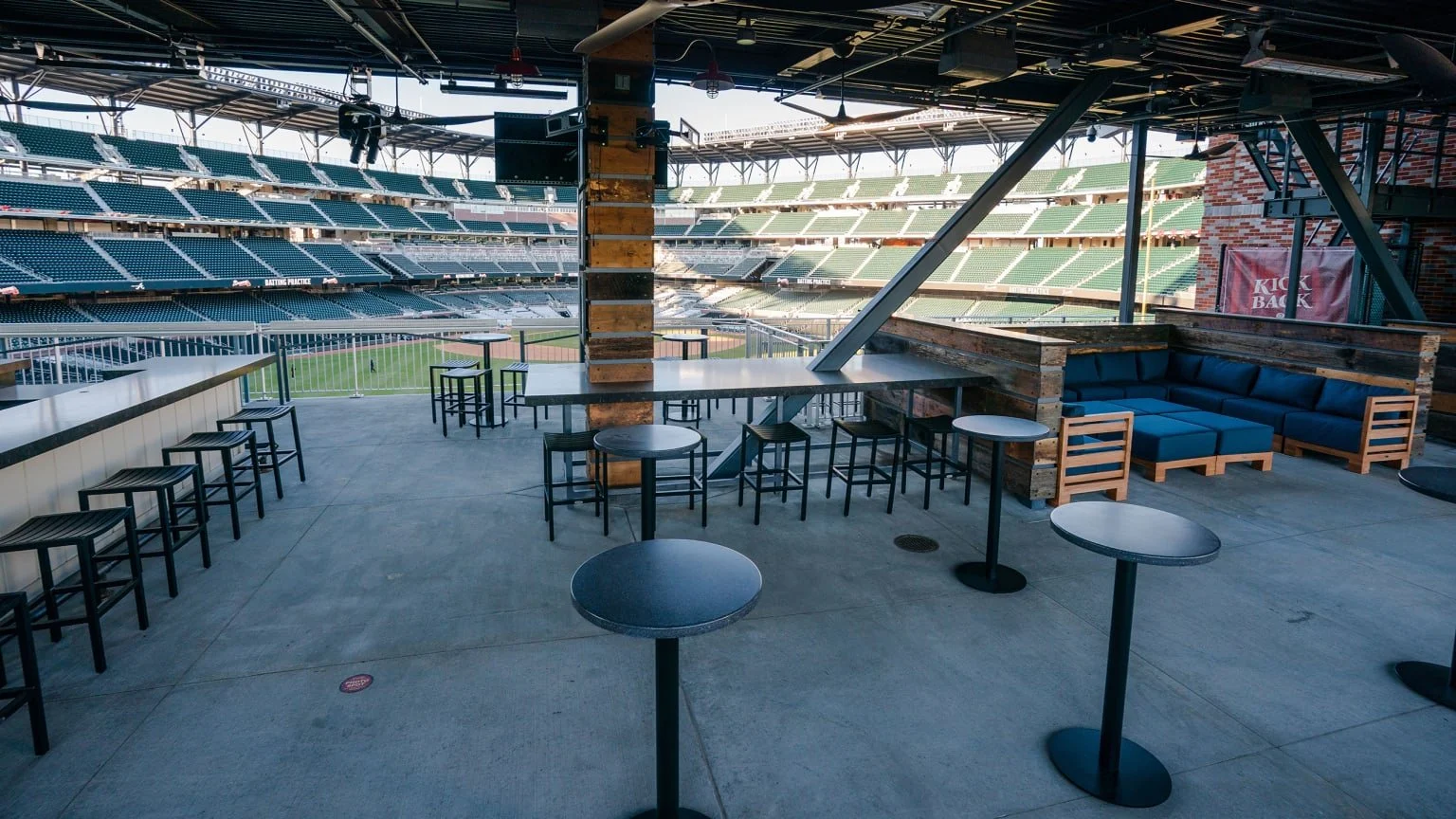
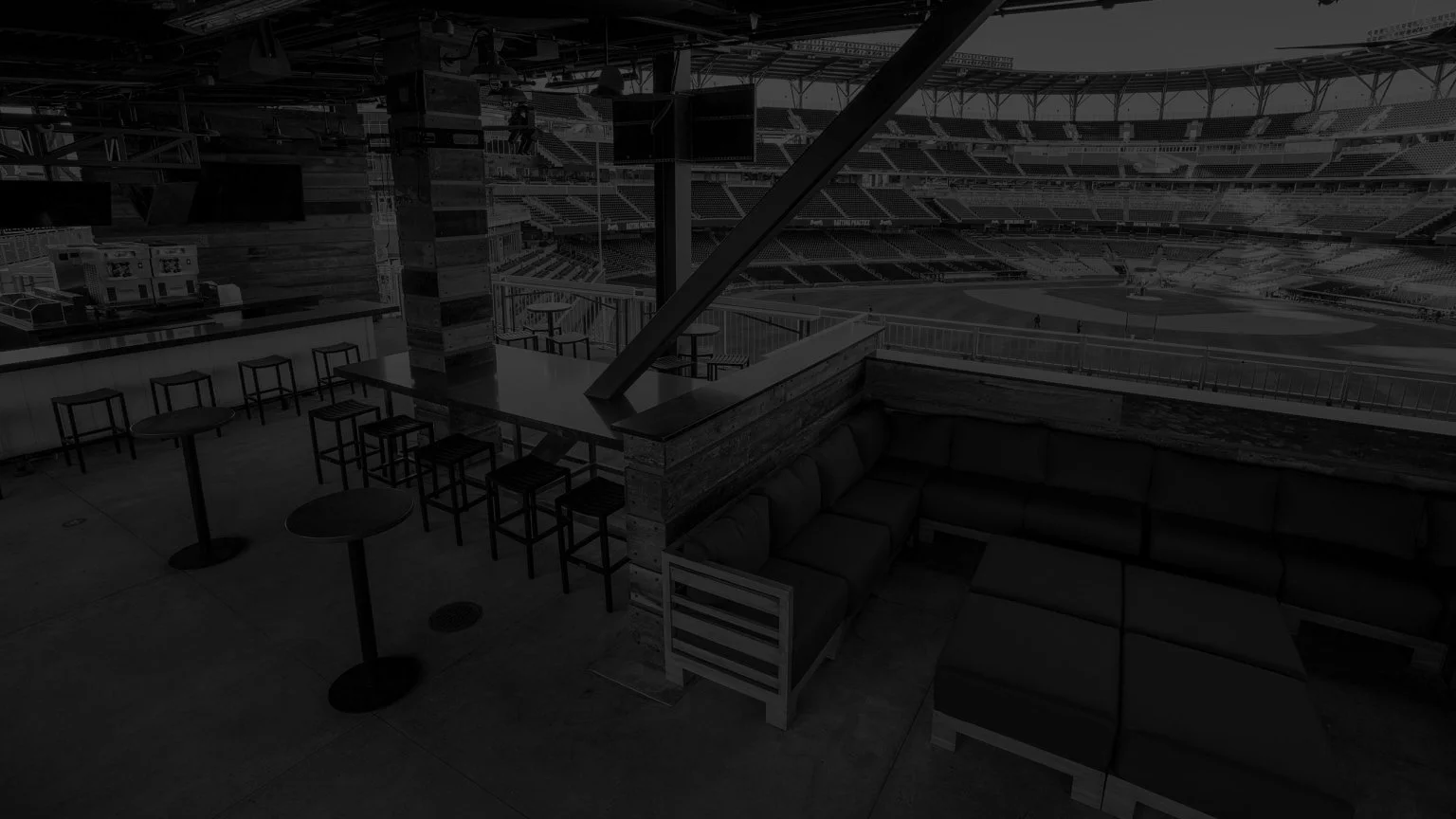
The Back Porch | Truist Park | 2019

A new social destination designed to enhance the fan experience and create a more engaging place to gather before, during, and after the game.

View Project →


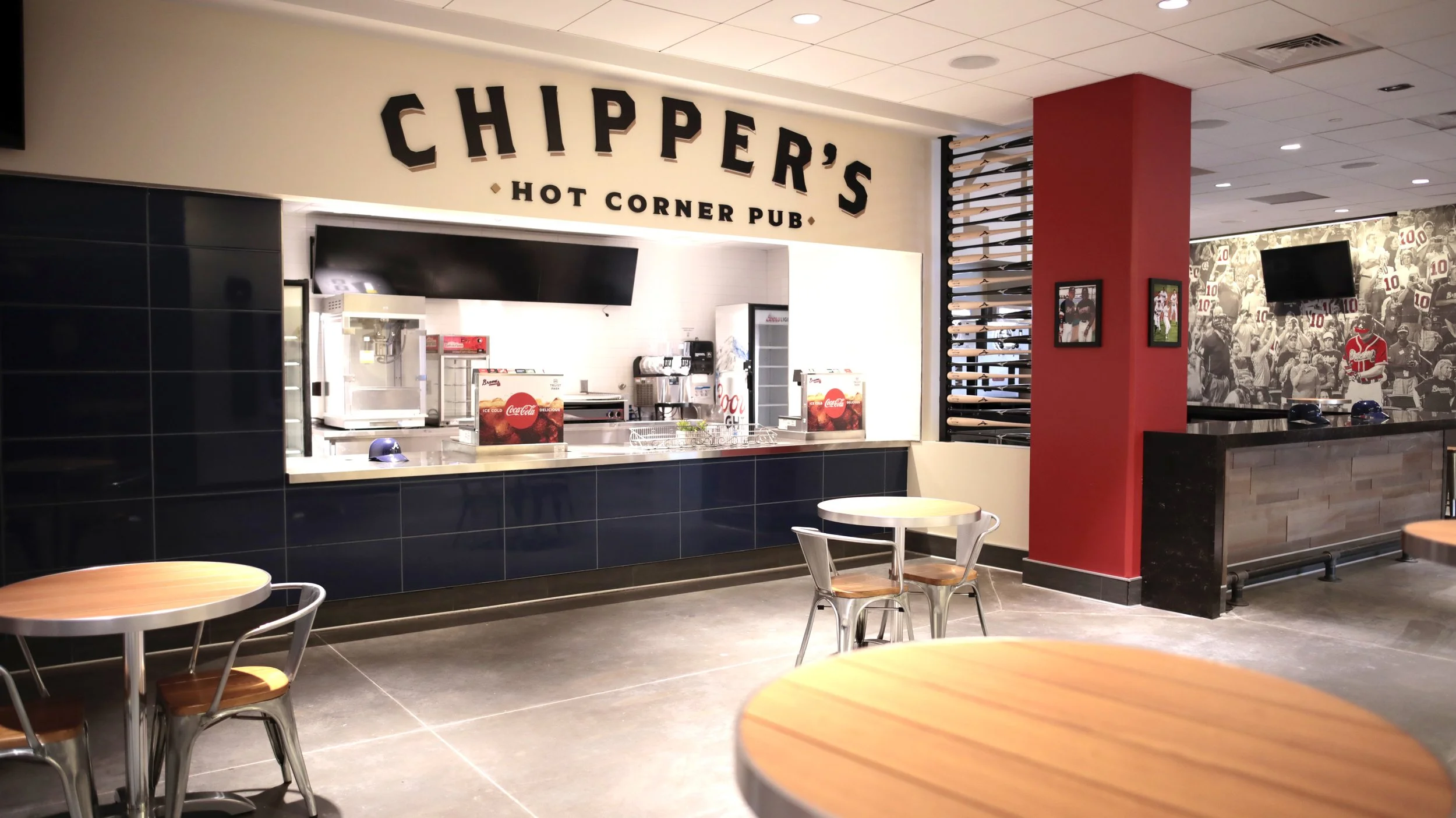
Chipper's Hot Corner Pub | Truist Park | 2020

A targeted hospitality enhancement that added character, social energy, and a distinct destination within a young ballpark.

View Project →


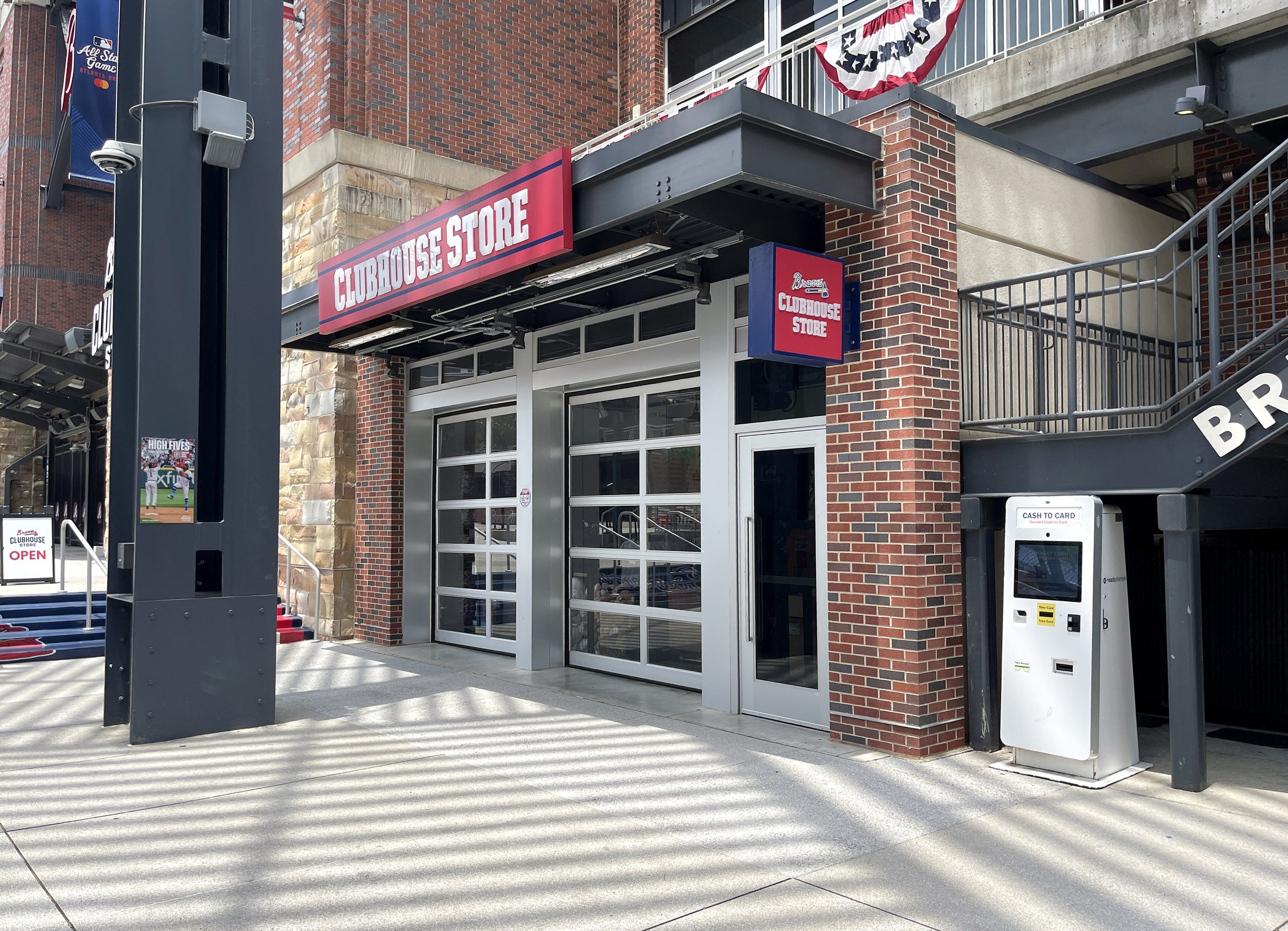
Clubhouse Team Store Expansion | Truist Park | 2020

An early investment in retail capacity that expanded merchandising opportunities while improving the fan shopping experience.


02 | EVOLVING venues

Adapting to Changing Expectations

3–10 Years

A great venue doesn't stand still.

By the time a venue reaches its first few seasons, the organization has learned something that can't be fully understood during design: how fans actually use the building.

Guest behaviors emerge. Popular gathering places take shape. New food and beverage trends gain momentum. Retail strategies evolve. Premium expectations rise. Technology changes how fans interact with the venue. At the same time, teams discover opportunities to generate more value from spaces that may not have been part of the original vision.

This is not about fixing what was wrong on Opening Day. It's about responding to what has changed since then.

Strategic improvements can introduce new social experiences, reposition existing spaces, improve convenience, and create new revenue opportunities—often without major expansion or disruption to the overall facility.

The most successful venues continue to evolve alongside their fans. They use what they've learned to make the next version of the experience better than the last.

The most successful venues don't simply preserve their original vision. They continue to respond to the people they were built to serve.


Project Highlights

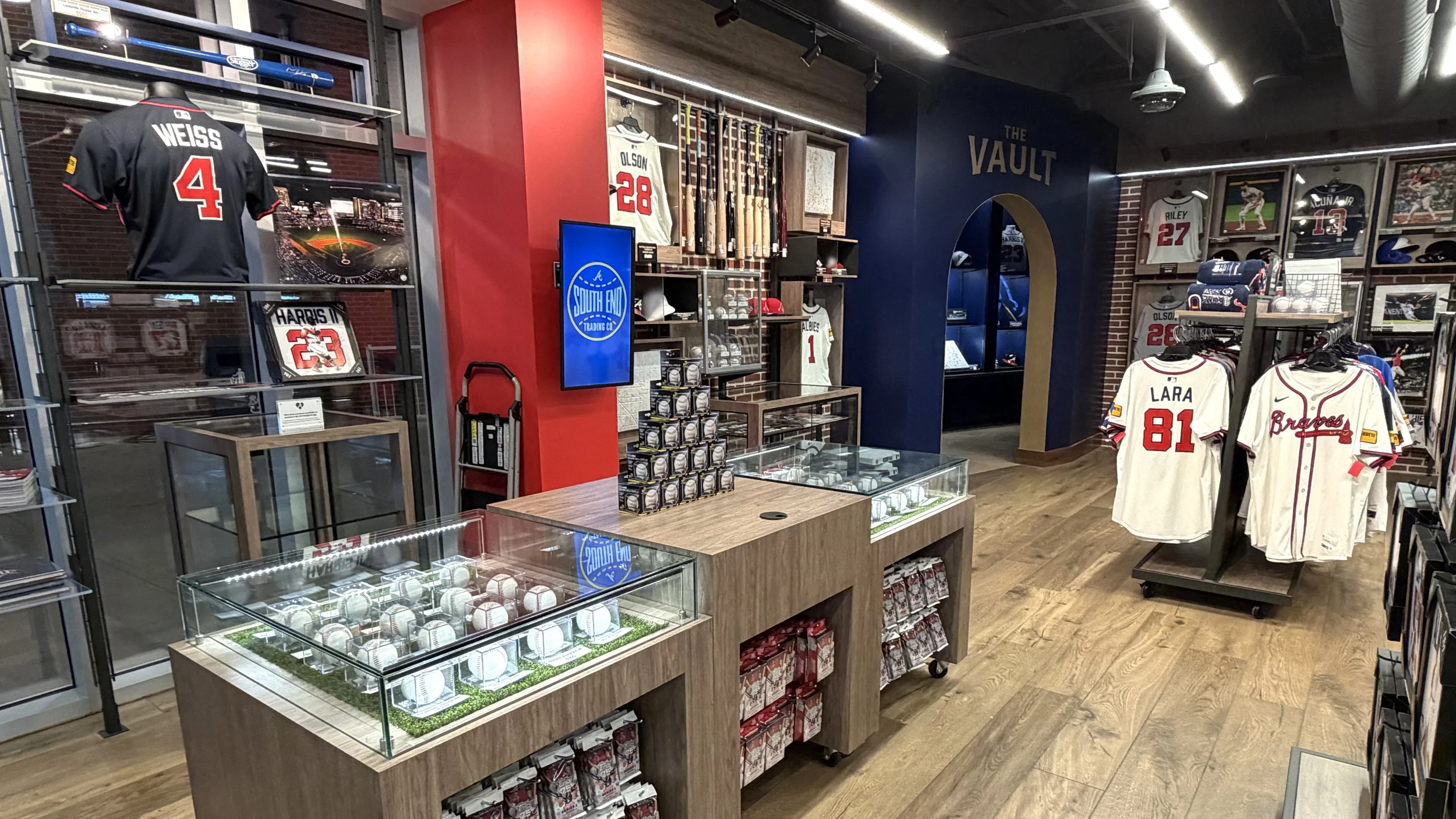
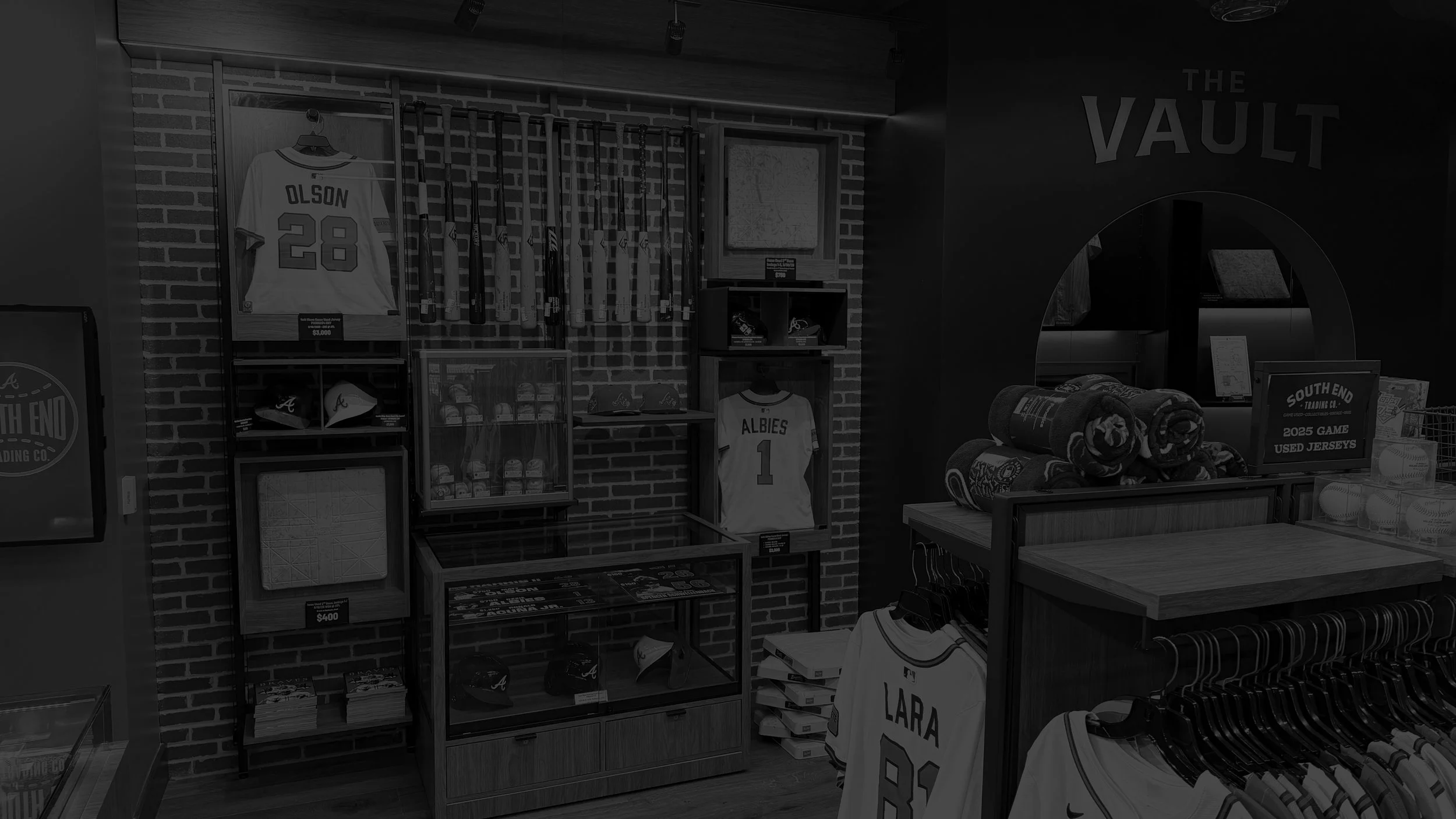
South End Trading Co. | Truist Park | 2026

A former Fan Services space transformed into a premier Braves retail destination, demonstrating how existing space can evolve into an immersive fan experience.

View Project →


Xfinity Roof Deck | Truist Park | 2022

A new elevated social destination that expands the ways fans can experience the game while adding another layer of hospitality to the ballpark.

View Project →


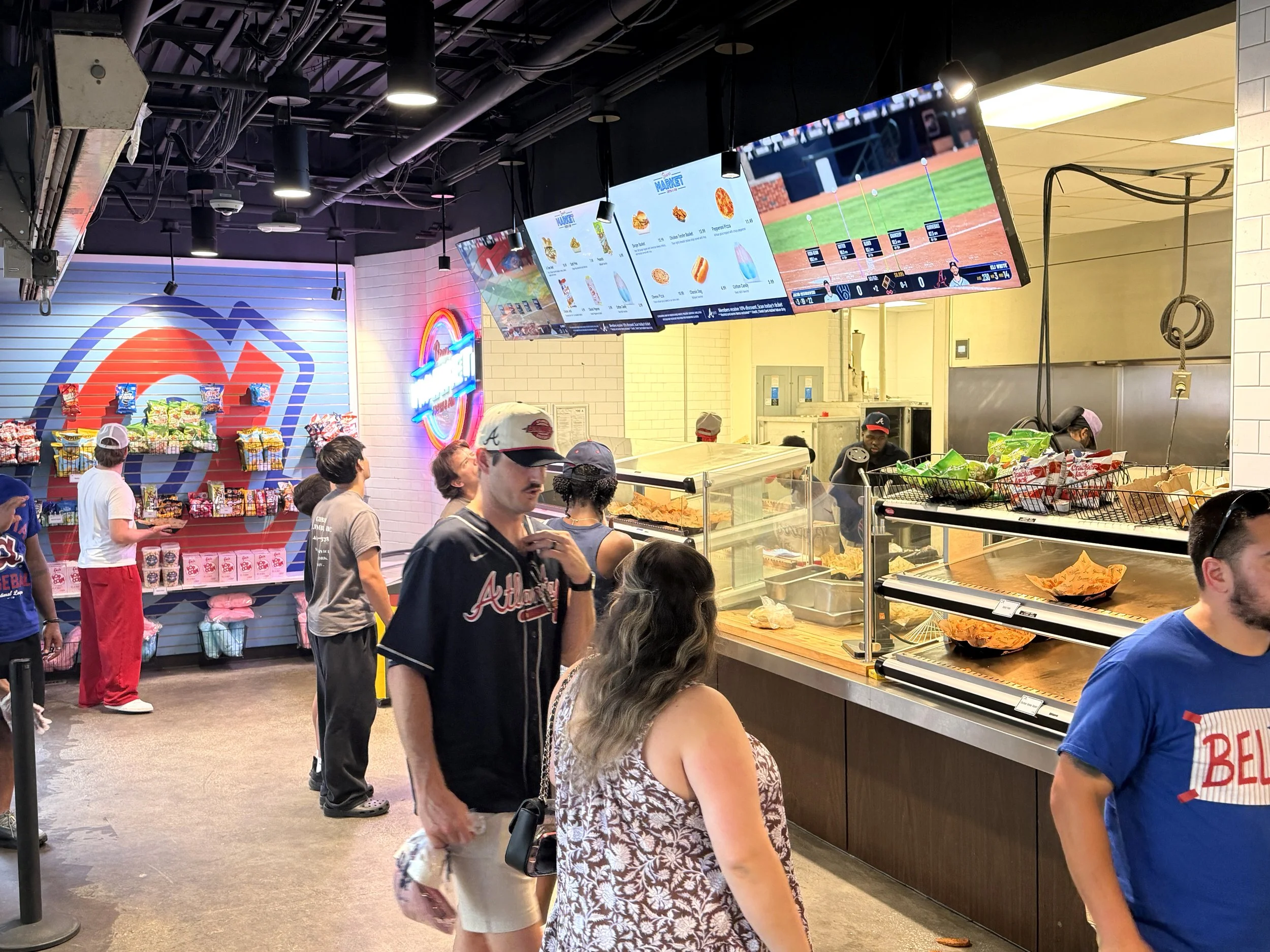
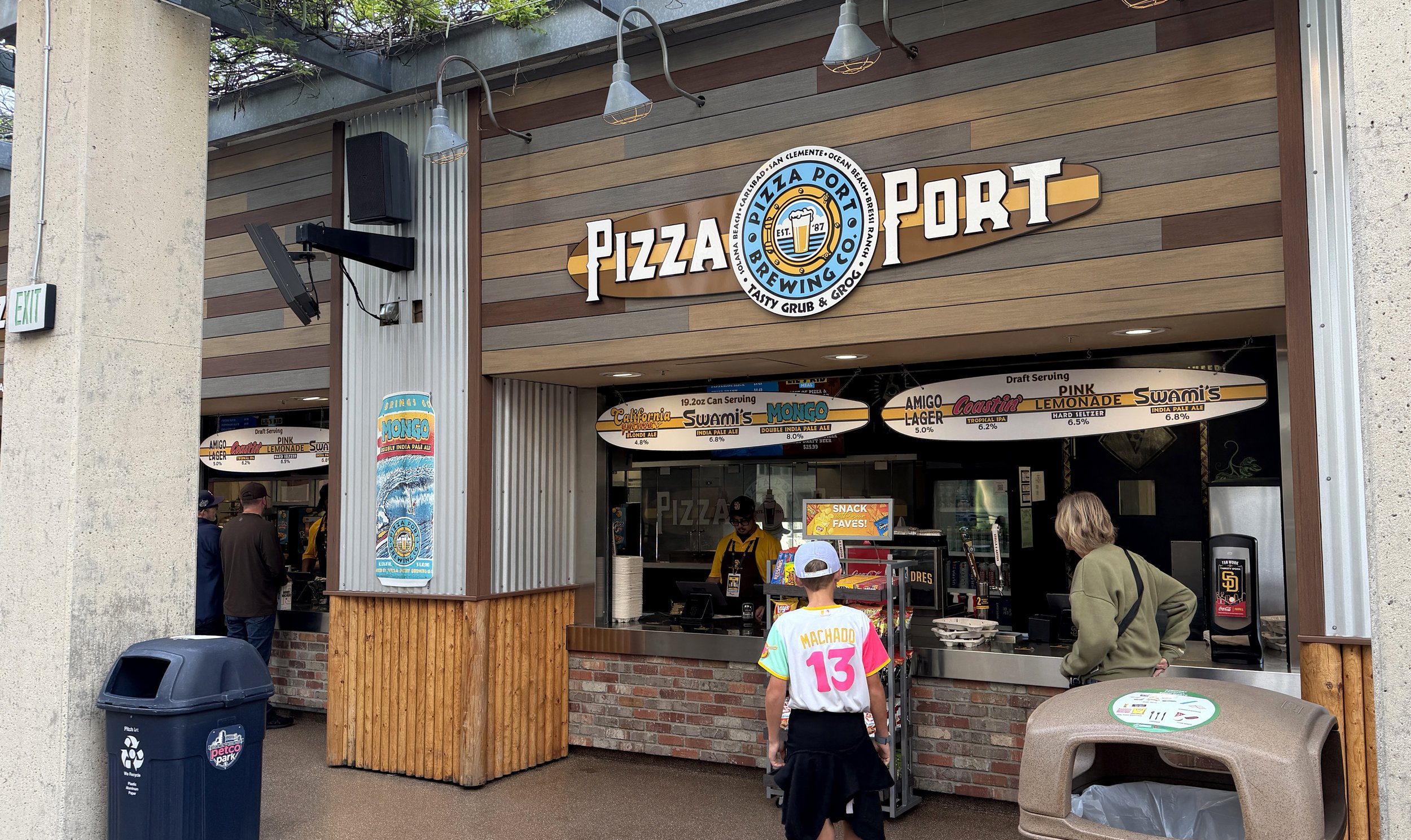
Braves Marketplace Grab-and-Go Concessions | Truist Park | 2023

A modern concession concept responding to changing fan expectations for convenience, speed, and flexibility on game day.


03 | MIDLIFE venues

Repositioning for New Opportunities

10–20 Years

Make What You Have Work Harder.

After a decade or more of operation, a venue's strengths and shortcomings become increasingly clear. Spaces that once performed well may no longer align with today's fan expectations, while other areas may reveal opportunities that weren't apparent when the facility was new.

For owners and operators, midlife can be an ideal time to take a closer look at existing assets. An underperforming seating area can become a more compelling hospitality product. An outdated concession can be repositioned around new food and beverage expectations. An overlooked space can become a new destination for groups, families, or premium guests.

The opportunity isn't necessarily to build more. It's to make better use of what you already have.

Strategic capital improvements can refresh the fan experience, strengthen revenue performance, and extend the relevance of an existing venue—often through targeted interventions rather than wholesale redevelopment.

Midlife is an opportunity to turn overlooked potential into lasting value.


Project Highlights

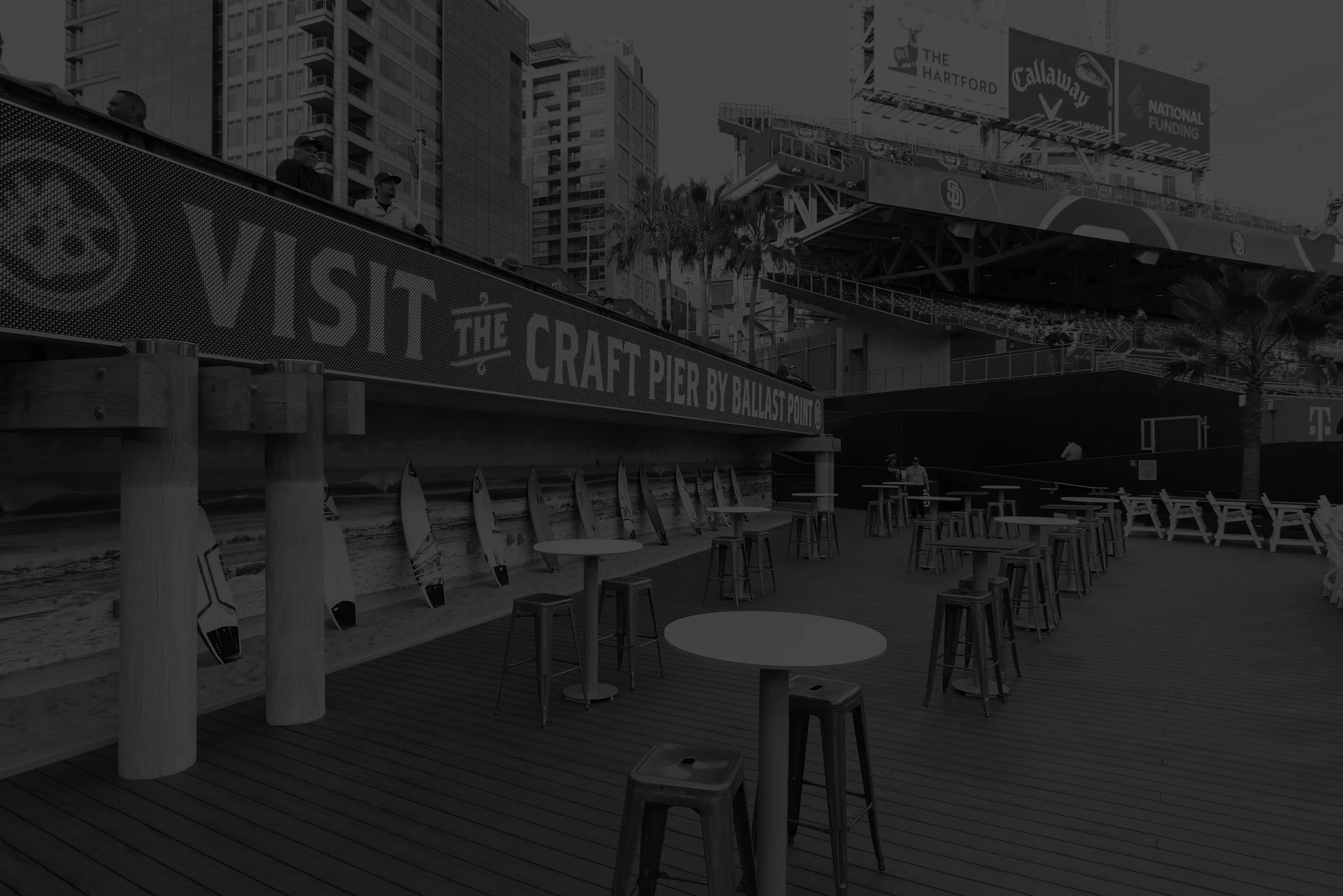
Craft Pier Group Deck | Petco Park | 2016

An existing seating area reimagined as a social group destination, creating a more compelling hospitality product within the established ballpark.

View Project →


Seating Bowl Replacement | Lake Elsinore Diamond | 2017

A strategic reinvestment in the seating bowl that modernized the fan experience while extending the useful life of the facility.

View Project →


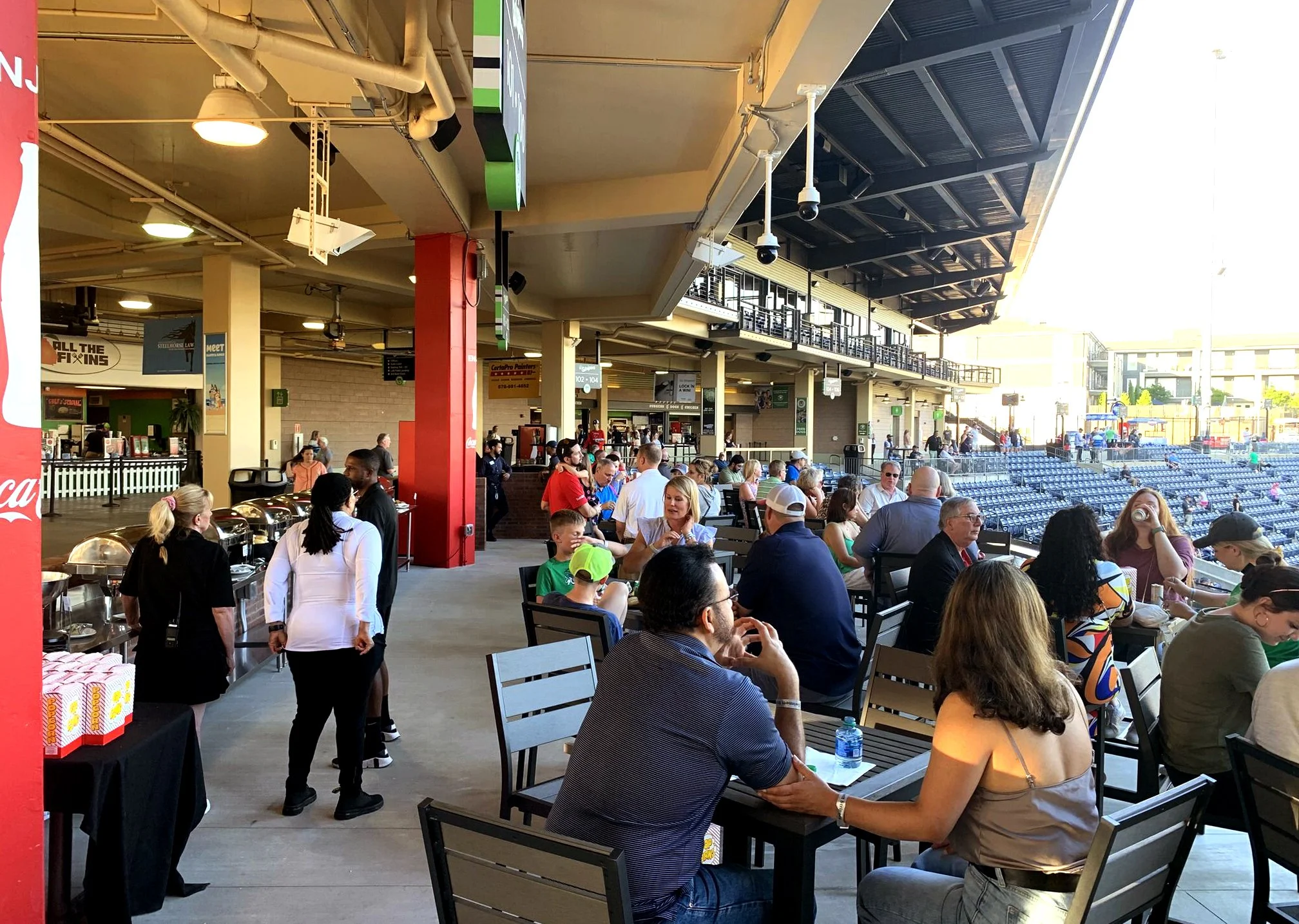
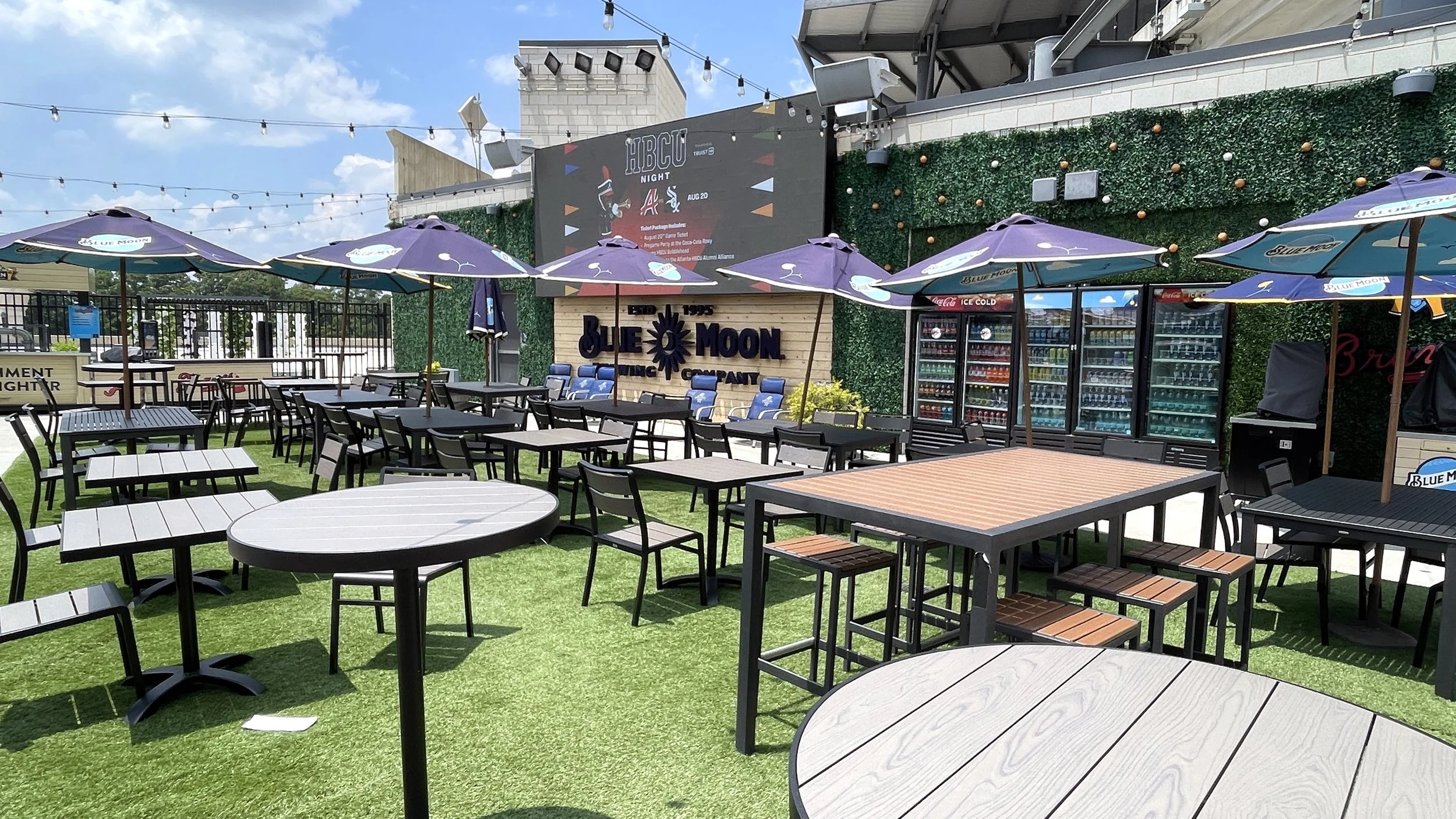
Coca-Cola Front Porch | Coolray Field | 2024

An existing ballpark asset transformed into a more distinctive hospitality and social destination, creating new value from the established facility.

View Project →


04 | ESTABLISHED venues

Modernizing While Preserving What Works

20+ Years

Great Bones. New Possibilities.

An established venue has something a new facility cannot replicate: history.

The memories, traditions, architecture, neighborhood connections, and fan relationships built over decades are part of what makes the venue valuable. The challenge is knowing what to preserve, what to improve, and where strategic investment can make the greatest difference.

Modernization doesn't have to mean starting over. In many established venues, the underlying structure, location, character, and infrastructure provide good bones for another generation of fans.

The most effective strategies build on those strengths while addressing the elements that no longer serve today's guests or operations. That might mean transforming an underutilized area into a year-round destination, modernizing the guest journey, improving seating and amenities, or developing a long-range roadmap that prioritizes investment over time.

The goal isn't to make an established venue feel new. It's to make it work better for the future without losing what made it special in the first place.

After 20 years of working across the ballpark lifecycle, we've learned that extending the life of an established venue requires more than renovation. It requires a clear vision for what comes next.


Project Highlights

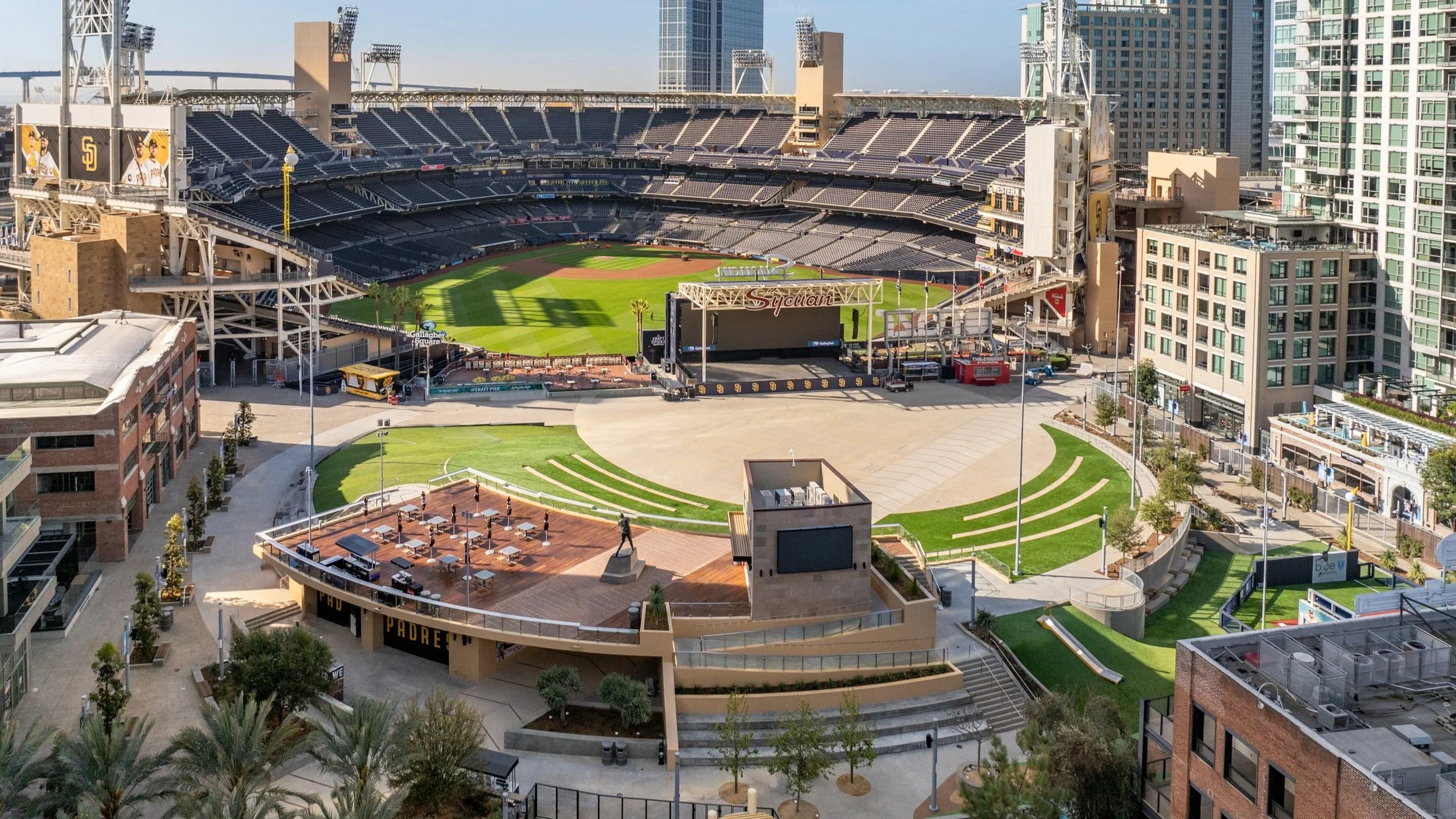
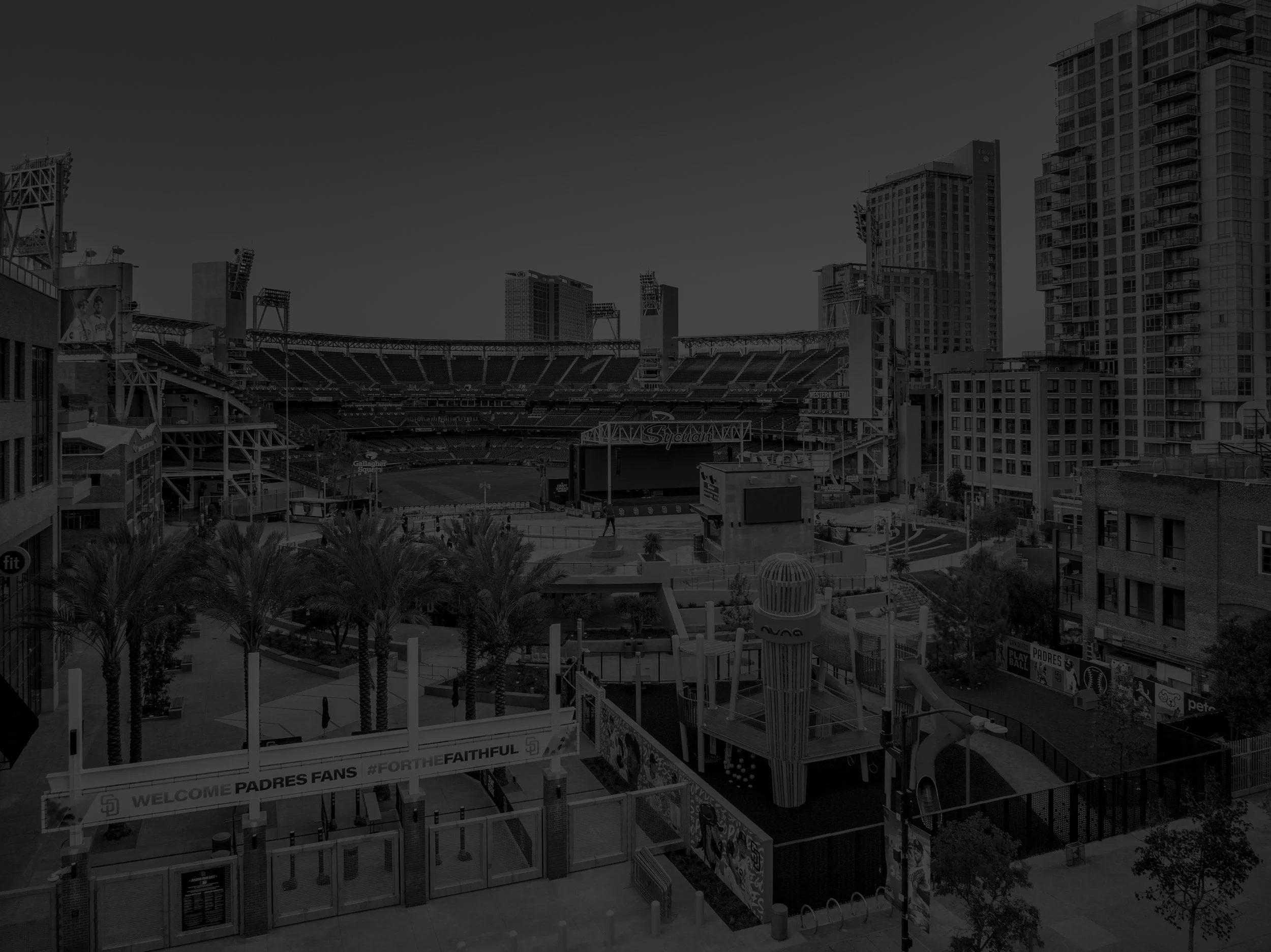
Gallagher Square | Petco Park | 2024

A transformational reimagining of an established ballpark's outfield into a year-round destination, demonstrating how an existing venue can create an entirely new layer of fan experience.

View Project →


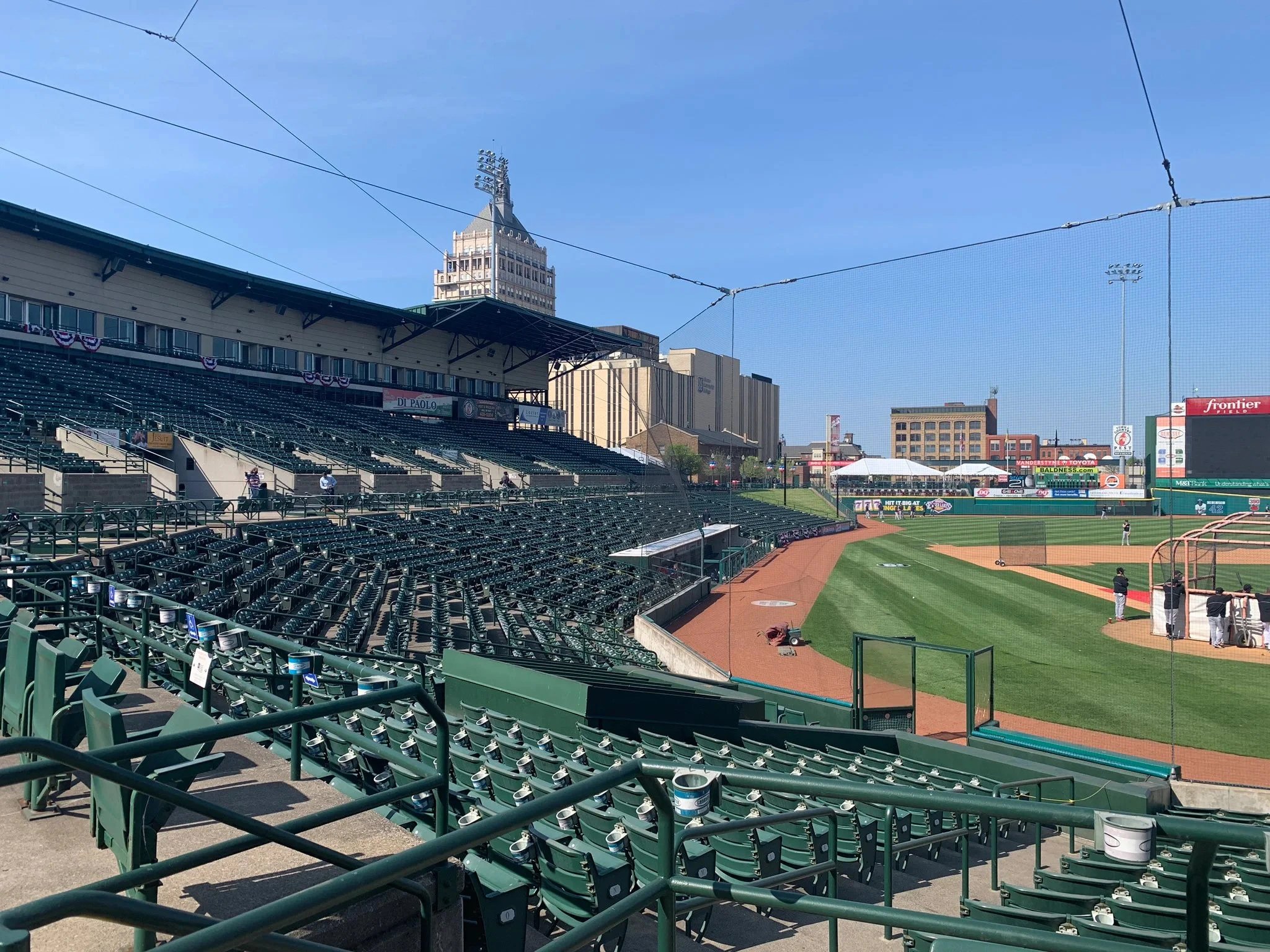
ESL Ballpark Master Plan | Rochester Red Wings | 2026

A long-range strategy for positioning an established ballpark for its next generation through targeted improvements to fan experience, hospitality, operations, and revenue.

On the boards …


Valley Strong Ballpark Expansion | Visalia Rawhide | 2007–2009

A major expansion that added new capacity and amenities while building upon the character and infrastructure of an established Minor League ballpark.

View Project →


05 | THE NEXT CHAPTER

Great Venues Don't Stand Still.

A venue's lifecycle is measured in more than years. It is shaped by changing fans, evolving expectations, new ways of experiencing the game, and the constant pursuit of doing things better.

Over the past 20 years, Larimer Design has helped MLB and Minor League organizations navigate that evolution at every stage—from fine-tuning new facilities to repositioning underperforming assets and extending the useful life of established venues.

Along the way, we've learned that the most successful improvements aren't always the biggest or most complex. They are the ones that respond to what a venue needs now while creating a foundation for what comes next.

A new gathering space can change how fans experience a game. A reimagined retail environment can turn merchandise into an experience. A renewed seating bowl can extend the life of a facility. A thoughtful master plan can provide a roadmap for decades of continued investment.

Every venue has opportunities to evolve. The challenge is recognizing them—and knowing which ones matter most.

Explore Our Work →